Bikepacking Patagonia on a Canyon Grizl AL: Grizl Review

Why I Choose This Bike -

Funny thing is, this wasn’t even my bike. It was actually my dad’s, he bought it about six months before I started planning the Patagonia trip (thanks, Dad). I didn’t own a bike at the time, so when Sophia and I began looking at gear, the costs started adding up fast. In the end, we both borrowed our dads’ bikes. The Grizl wasn’t bought specifically for this trip, but it turned out to be the perfect bike for the job.

Ride Feel

As you'd expect from a Canyon, the Grizl feels light, nimble, and lightning fast. The 700c wheels just keep rolling, especially on the flats. On most descents, I barely had to pedal at all… until the wind said otherwise (pedalling downhill should not be a thing…).

That said, I’m not a huge fan of drop bars. After a few long days in the saddle, I started feeling it in my elbows and lower back (I’m 23). To help with comfort, I flipped the stock -6° stem for a slightly more upright riding position. It made a difference, but the overall feel of drop bars still isn’t my favourite for multi-day touring.

Attachment Points & Weight Limits

One of the Grizl’s strongest features is the plethora of mounting points it comes with.

  • Rear rack mounts on the chainstays

  • Top tube mounts

  • Cage mounts on the seat tube and both sides of the downtube

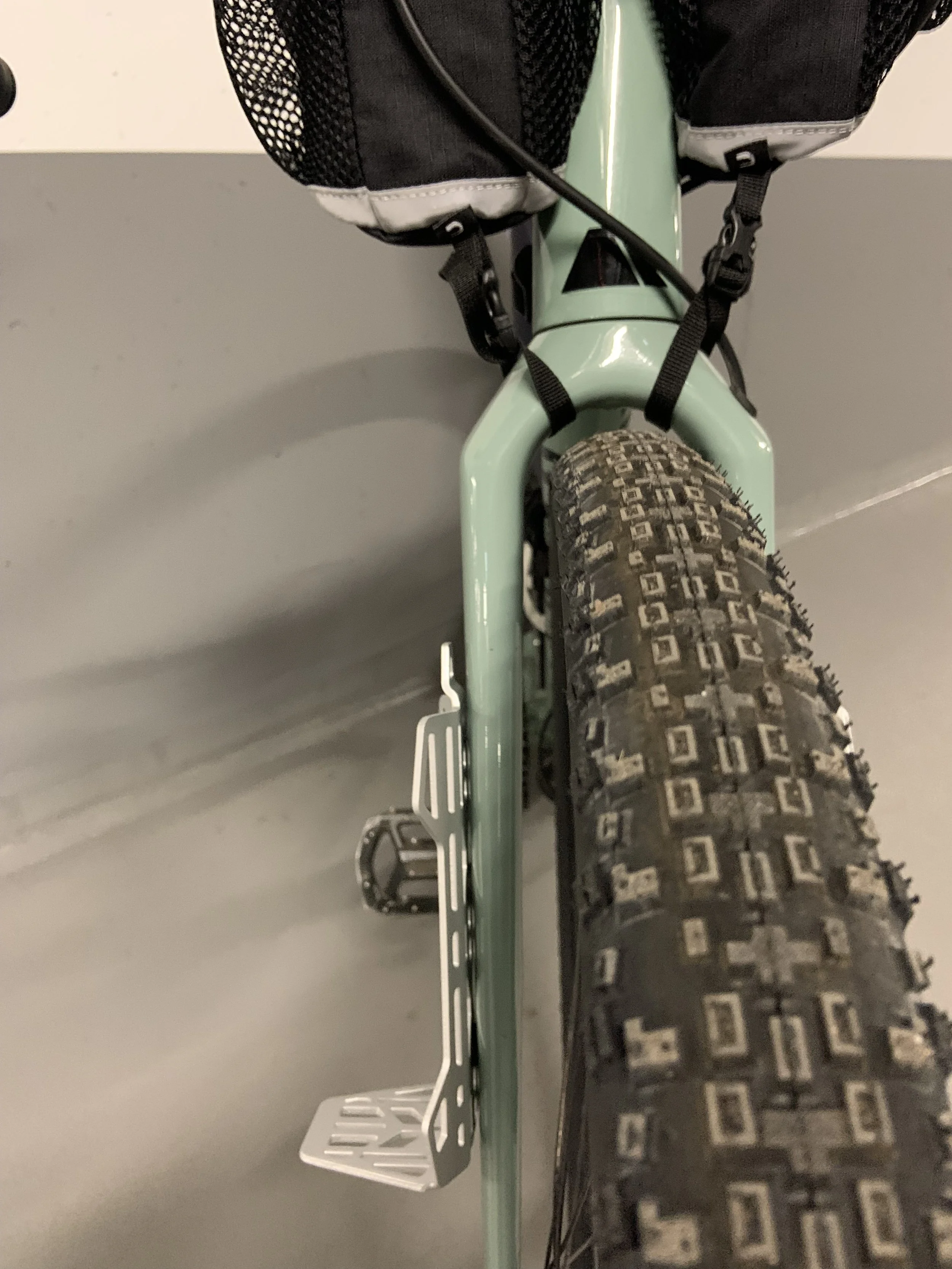
  • Triple mounts on each fork leg

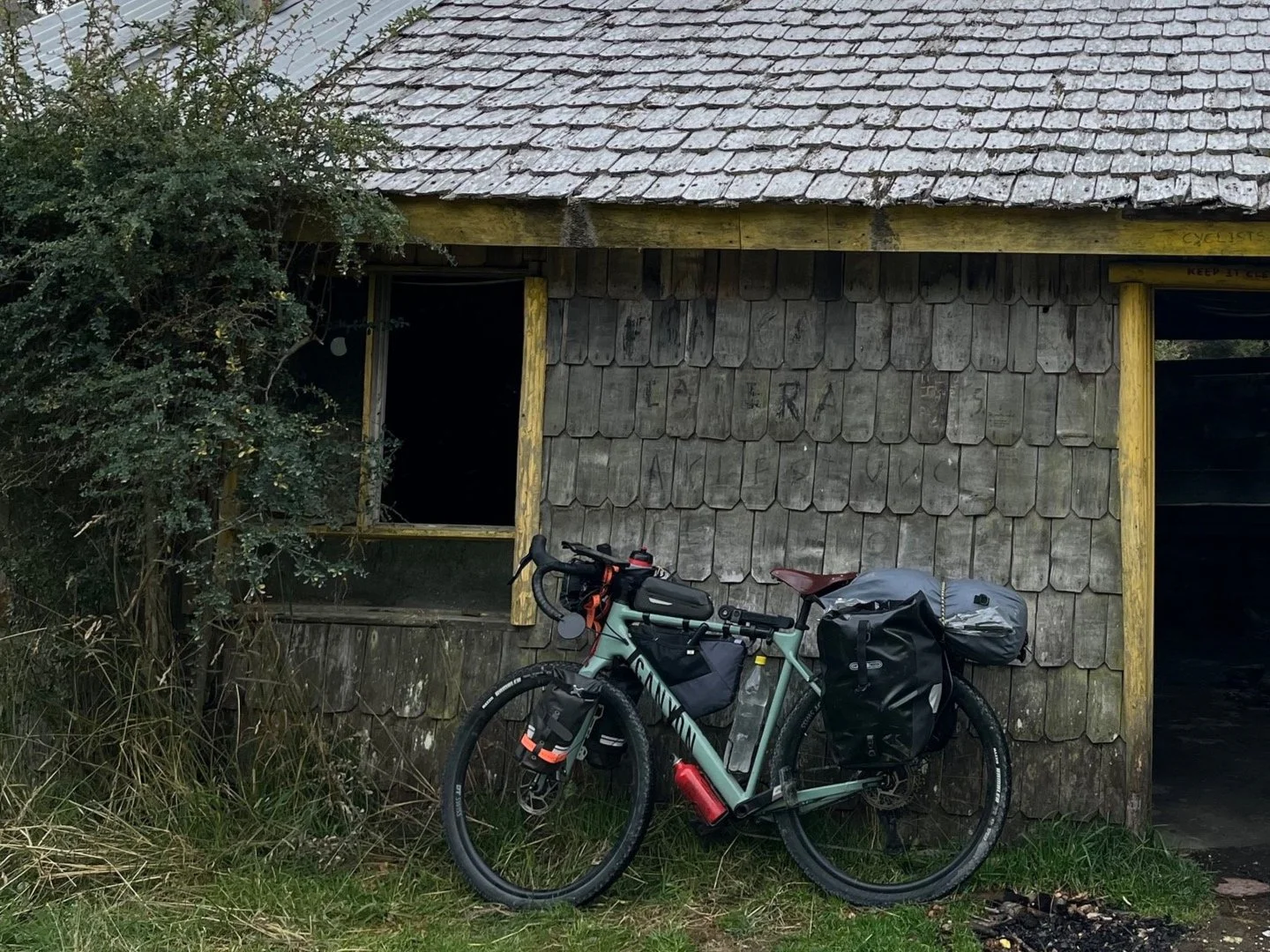
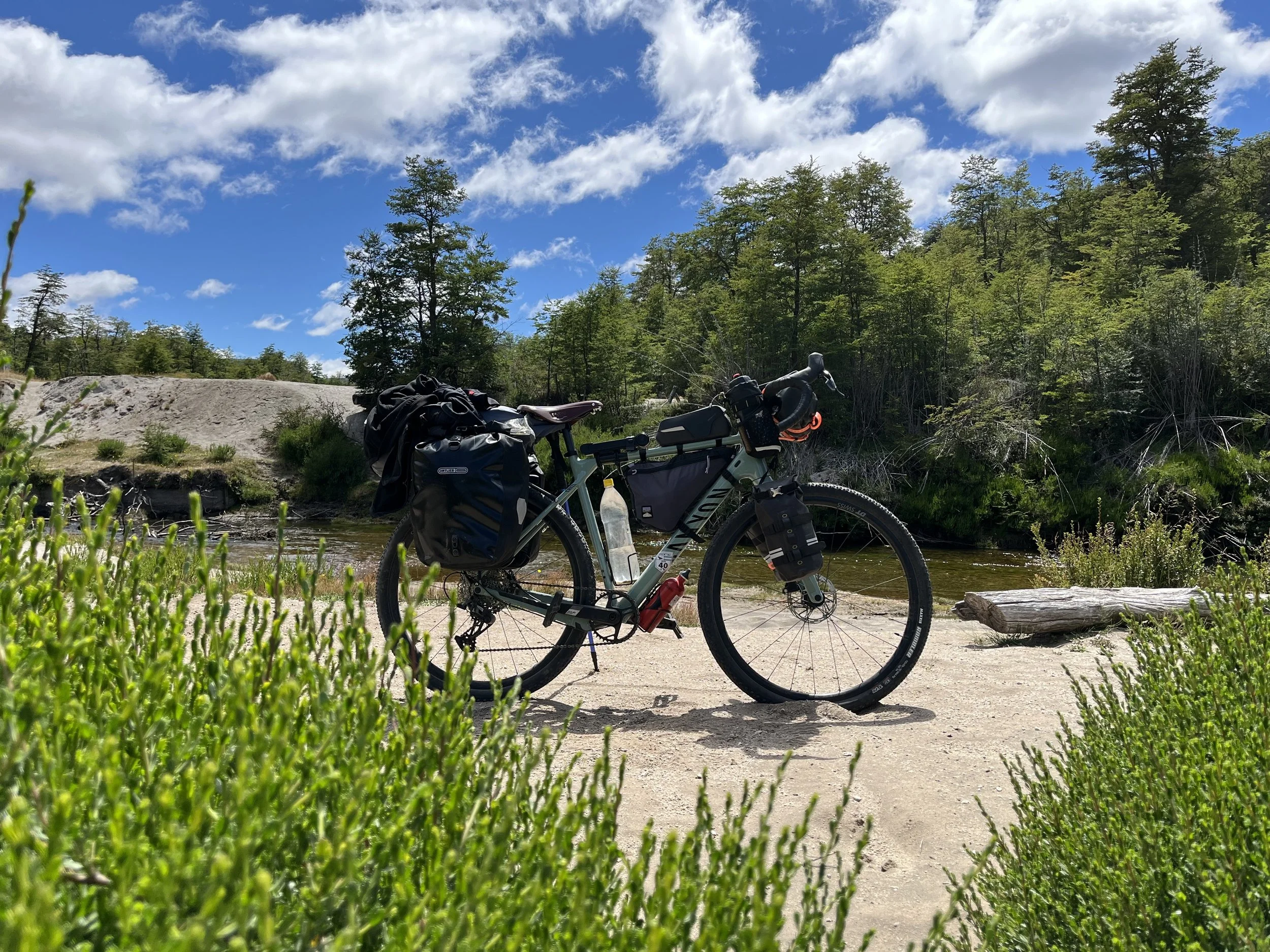
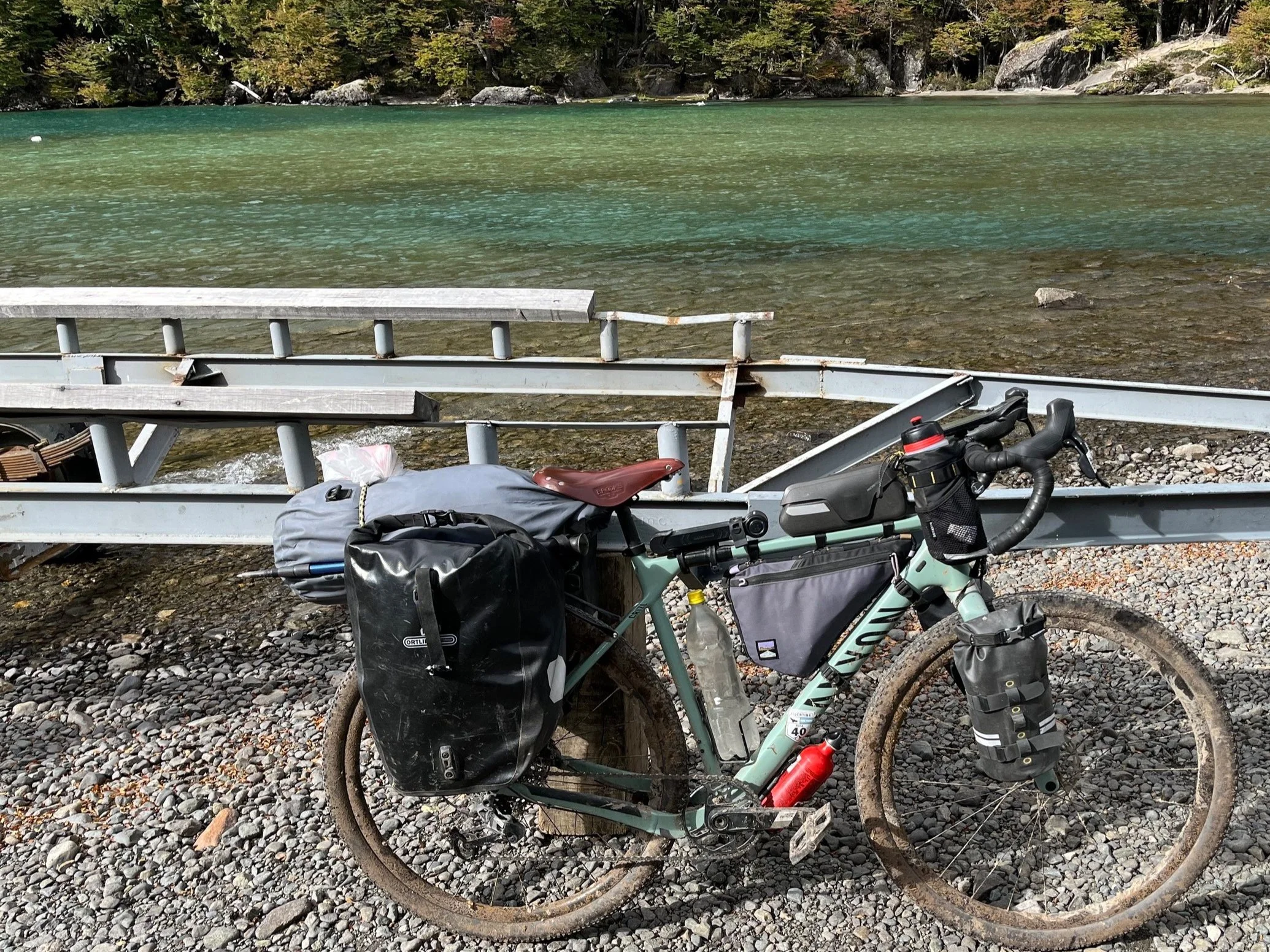
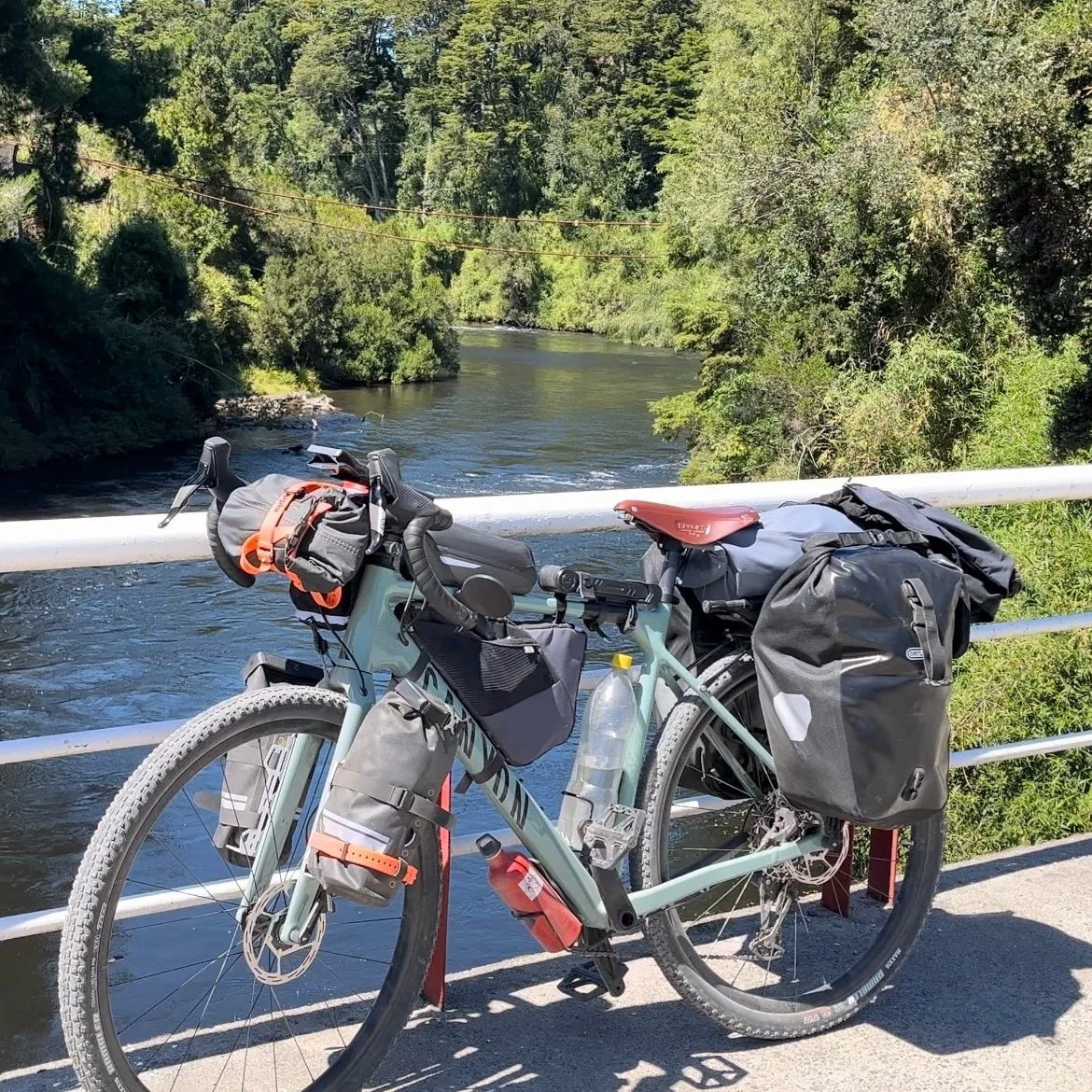
I took full advantage of this. My setup included:

  • Rear panniers

  • A duffle bag strapped over the back

  • A full frame bag

  • Fork bags

  • A homemade handlebar bag (drove me nuts the entire trip)

The Grizl has a recommended total weight limit of 120 kg, which includes the rider, bike, and luggage. I weigh about 80 kg, and the bike itself is roughly 10 kg, which left me around 30 kg for gear. Honestly, that was perfect for my needs. Maybe it would've been better if that limit was a bit tighter, might've forced me to pack smarter. But hey, it also left room for a few extra ice creams, so no complaints.

Fully loaded with food, water, and all my gear, my setup came in at about 35 kg. Definitely on the heavier side, but it was my first bikepacking trip, and naturally, I overpacked. I quickly learned I didn’t need half the stuff I brought. You live and learn. That said I didn’t get a flat or break any spokes after 2500km so I must’ve done something right.


Handling Under Load

Under load, the Grizl still felt great. It took a bit of time to get used to, but once I found the balance, it was relatively nimble, though, of course, not quite as agile as unloaded.

My main issues came down to weight distribution. I was carrying around 25 kg of gear, and most of it was at the back of the bike. That made the steering pretty sensitive on climbs, especially on steeper or looser terrain. I also noticed some wobble when bombing down hills, particularly when there was headwind. Definitely clenched a few times.

I tried to shift as much weight forward as I could, but with the carbon fork’s 3 kg per side limit, I was limited by both design and my setup. A better front-loading system (and slightly more even weight distribution) would’ve helped a lot.

Tyre Clearance

The Grizl AL has a maximum tyre clearance of 700x50, just 5mm wider than the stock Schwalbe G-One Bites it ships with. For the final 500+ km stretch of our trip, a long, rough section of gravel, I swapped them out for Maxxis Rambler 50mm tyres. I didn’t regret that decision one bit.

That said, I still found myself wishing for something even bigger. I grew up riding mountain bikes on dirt trails, nothing too wild, but definitely more rugged than gravel. So when we started eyeing more remote, off-road routes like the Paso Roballos or the Villa O’Higgins crossing over the Andes, I started dreaming of chunkier tyres and more trail capability. The Grizl handled it, but I was pushing its limits.

The frame also comes with mudguard mounts, which makes it even more versatile if you're riding in mixed or wet conditions. All in all, the Grizl is a solid performer on both gravel and asphalt, but if your heart leans more toward rough, remote singletrack, you'll eventually feel its limits.

1x Drivetrain

The 1x drivetrain is one of the features I really appreciated on a more modern setup, easier to clean, simpler to maintain, smoother to shift, and honestly, it just looks cleaner too. But once the bike was fully loaded, I started wishing for a few more gears on the low end. With a gear ratio of 0.91 on the low end, most climbs were totally manageable, but not all. There were moments when I was fully standing on one pedal, barely turning the cranks, while Sophia, on a 3x9 with 26” wheels, left me behind.

The inclines where this happened were over 15 degrees, there weren’t many, but in general, it would’ve been nice to have a slightly easier climbing gear, especially since we didn’t do any serious training before the trip. I made it up everything in the end, but a couple of extra teeth on the cassette (or a smaller chainring up front) might’ve saved me some swearing.

Final Thoughts

The Grizl proved to be an excellent bike it blew past my expectations, and I’d 100% recommend it. I think it really shines as a lightweight weekend bikepacking rig for mixed paved and gravel roads. It’s fast, nimble, and surprisingly comfortable.

The only limitations I ran into were more about my own ambitions, mainly when I ventured into single track and more technical terrain. That’s where the Grizl’s tyre clearance, frame material, and aggressive riding position started to show their limits.

Previous
Previous

Bikepacking Patagonia: What Waterproofs Are Actually Worth It?

Next
Next

Cycling Patagonia: La Ruta de los Siete Lagos