Bikepacking Patagonia: What Waterproofs Are Actually Worth It?

When bikepacking through remote terrain or unpredictable climates, staying dry is essential for your safety, warmth, and morale. Waterproof gear is therefore extremely important for many trips, but not all items are equally necessary. Since we’re trying to cut down on weight as much as possible, it’s important to figure out which pieces are worth bringing and which ones might not be.

What Does “Waterproof” Really Mean?

The definition of “waterproof” means a material that prevents water from passing through it. So technically, you could just save your money and buy some PVC fisherman-style gear and be 100% waterproof. Problem solved, right?

Well, not quite.

While PVC is completely waterproof, its also non-breathable. Meaning it does a really good job at not letting water in our out. Sadly the later means that moisture created by your body whilst cycling can’t escape. Long story short you’ll find yourself drenched in your own sweat.  

That’s why outdoor companies turn to breathable waterproofs, materials that keep rain out while allowing water vapour from your body to escape. These fabrics are more elaborate than PVC so they are more expensive.

Disclaimer: before we begin I just want to say these are my personal thoughts and preferences on what works for me a 24 year old guy, who runs hot.


Gear Breakdown: What’s Worth Carrying?

Waterproof Jacket - Most important!

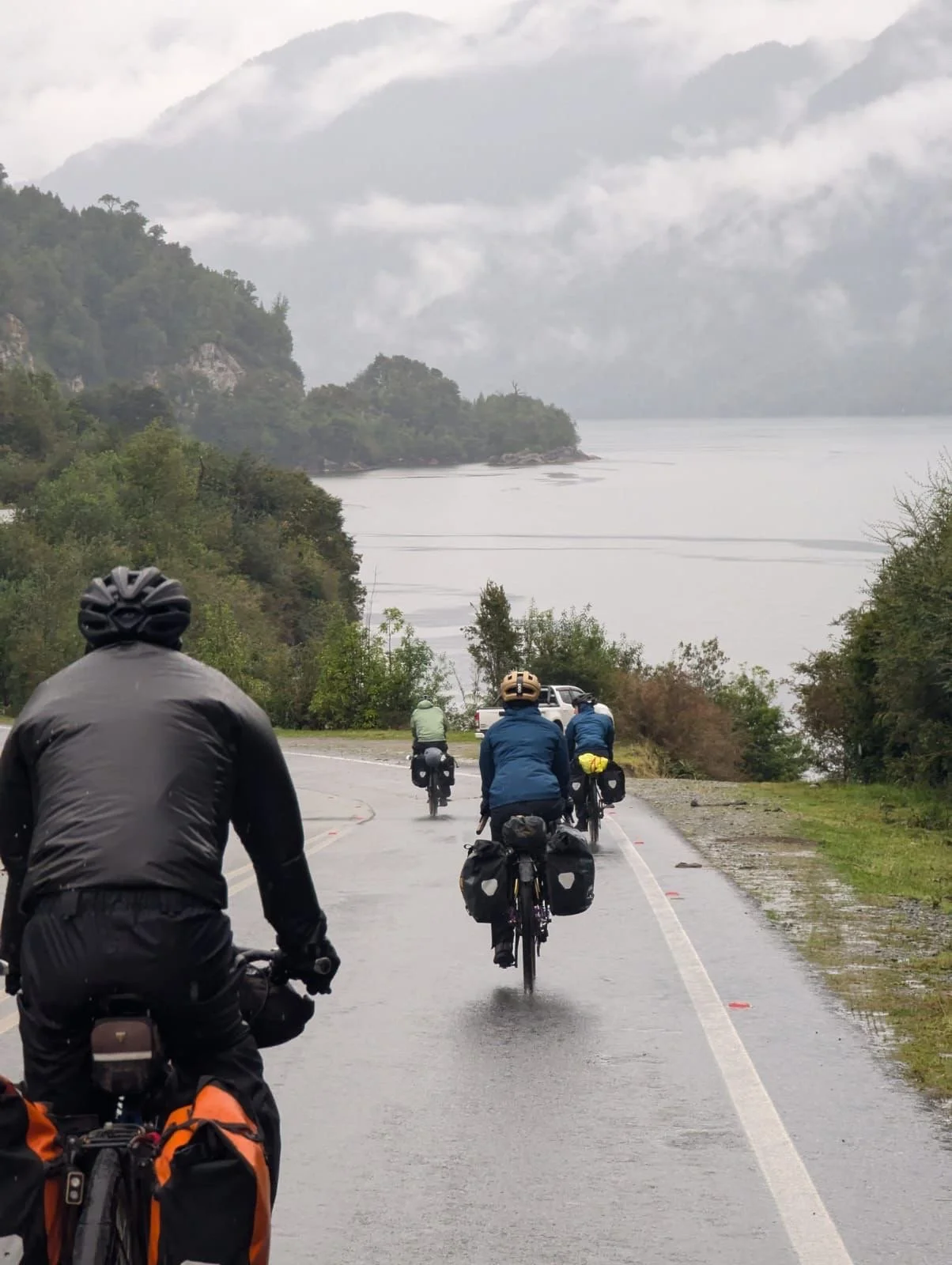
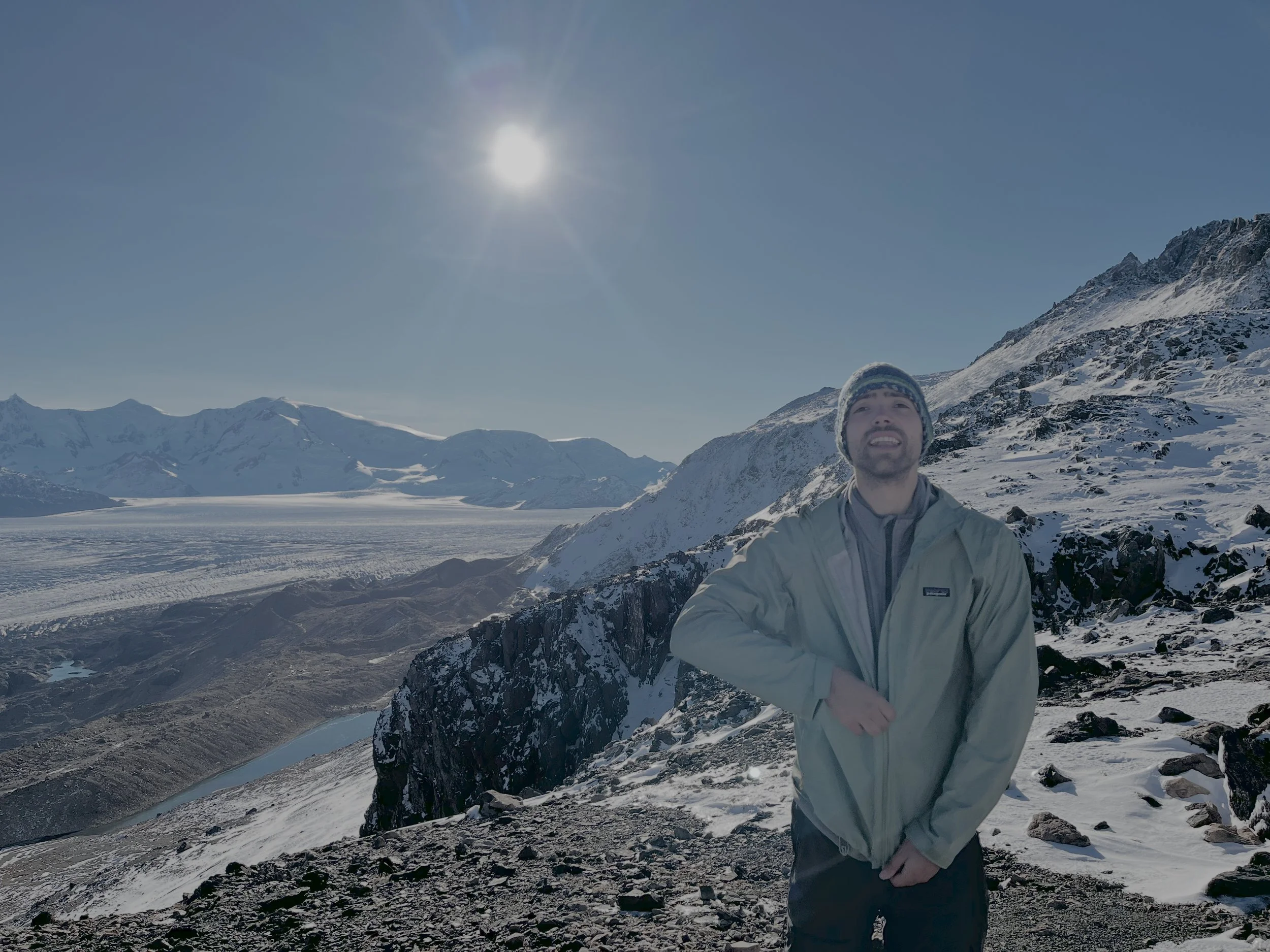
A high-quality waterproof jacket is arguably the most important piece of weather protection you can carry. It keeps your core dry and warm, doubles as a windbreaker, and adds a light, packable layer. Features like pit zips make a big difference, they let heat and moisture escape, so you don’t end up soaked from your own sweat.

Waterproof Shoes - Never dry!

While waterproof shoes can be great for hiking, I don’t recommend them for bikepacking. In my experience, they always end up wet. It’s not surprising when there’s a big hole on top for your foot to go in. And once they’re wet, they never dry. In the southernmost part of our Patagonia trip, my shoes were literally frozen most mornings. Cold, stiff, and miserable to put on. I’d get the coldest feet while walking around camp and packing up, and it wasn’t until 30 minutes into riding that I could feel my toes again. DO NOT RECOMMEND.

Going forward, I’m sticking with lightweight, breathable shoes that dry quickly. If they get soaked, I can always swap into sandals or pull on some waterproof socks.

Waterproof Pants or Shorts - 60/40

Just like with shoes, I found waterproof pants less suited to bikepacking than to hiking. No matter what, I always ended up soaked, either from sweat building up inside or rain getting in from the outside. The only upside is that if it’s cold, at least you’re wet and warm, thanks to the steamy environment they create.

Our pants also weren’t the best quality, I’m sure better ones exist. Sophia actually liked hers a lot, and I’ll admit there were a few days I was really glad to have them.

In the end, I think it really depends on the climate. If it’s warm and rainy, I wouldn’t bother. I’d just ride in shorts that dry fast. But if it’s likely to get cold, I’d definitely bring a pair, being cold and wet on the bike is miserable.

Waterproof Socks - Small item, big impact

Wet feet are the worst, a true morale killer. Waterproof socks keep your feet dry and warm even if your shoes are soaked. They’re not always necessary, but for long, cold, or wet rides, their a must for me. Paired with a pair of light weight fast drying shoes I think this is the perfect combo for me.

Waterproof Gloves - Mostly unnecessary 

There was only one descent where I actually wished I had proper waterproof gloves. Most of the time, I’m fine with my normal riding pair even when they’re soaked. They normally keep me warm enough.

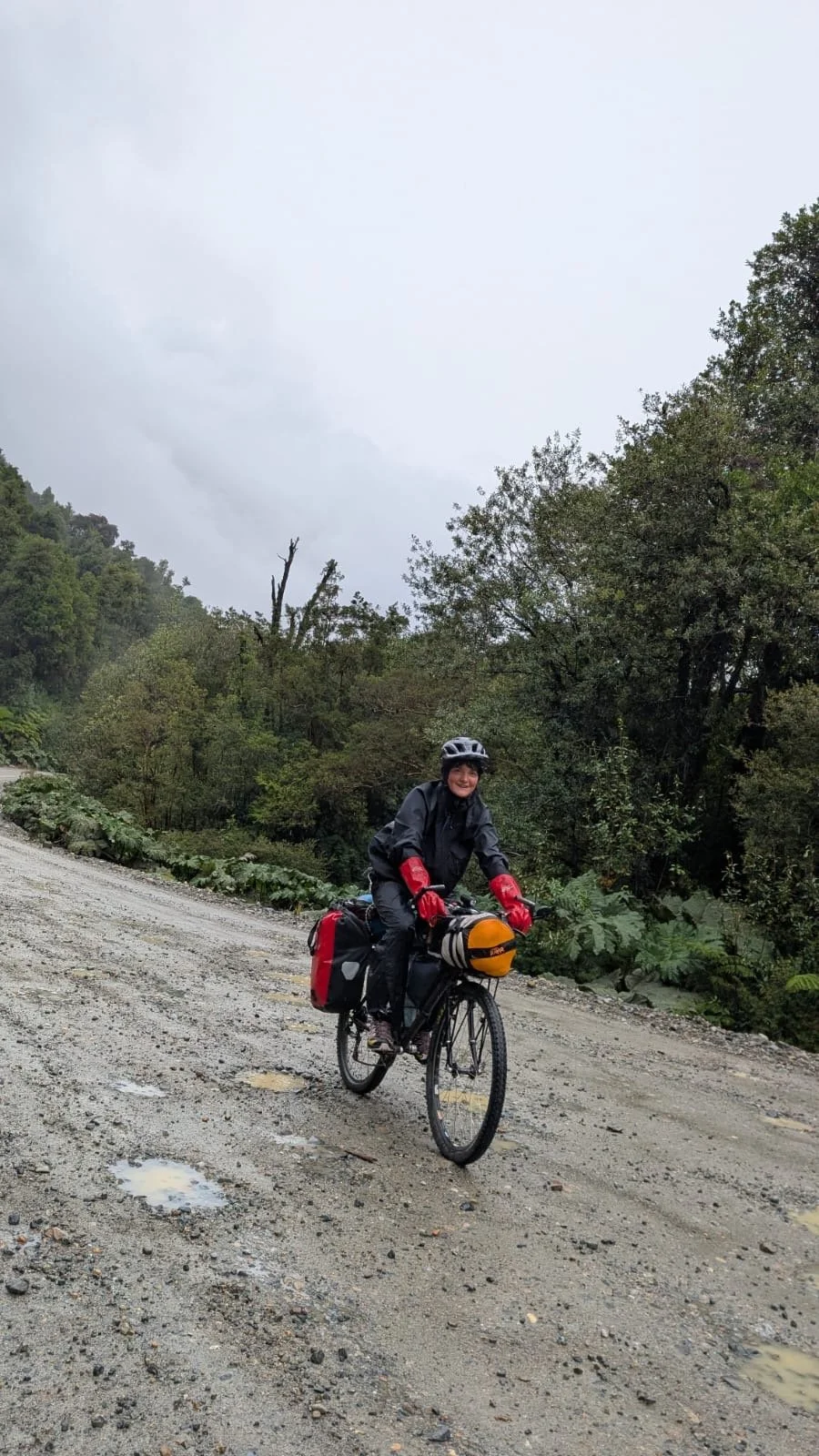
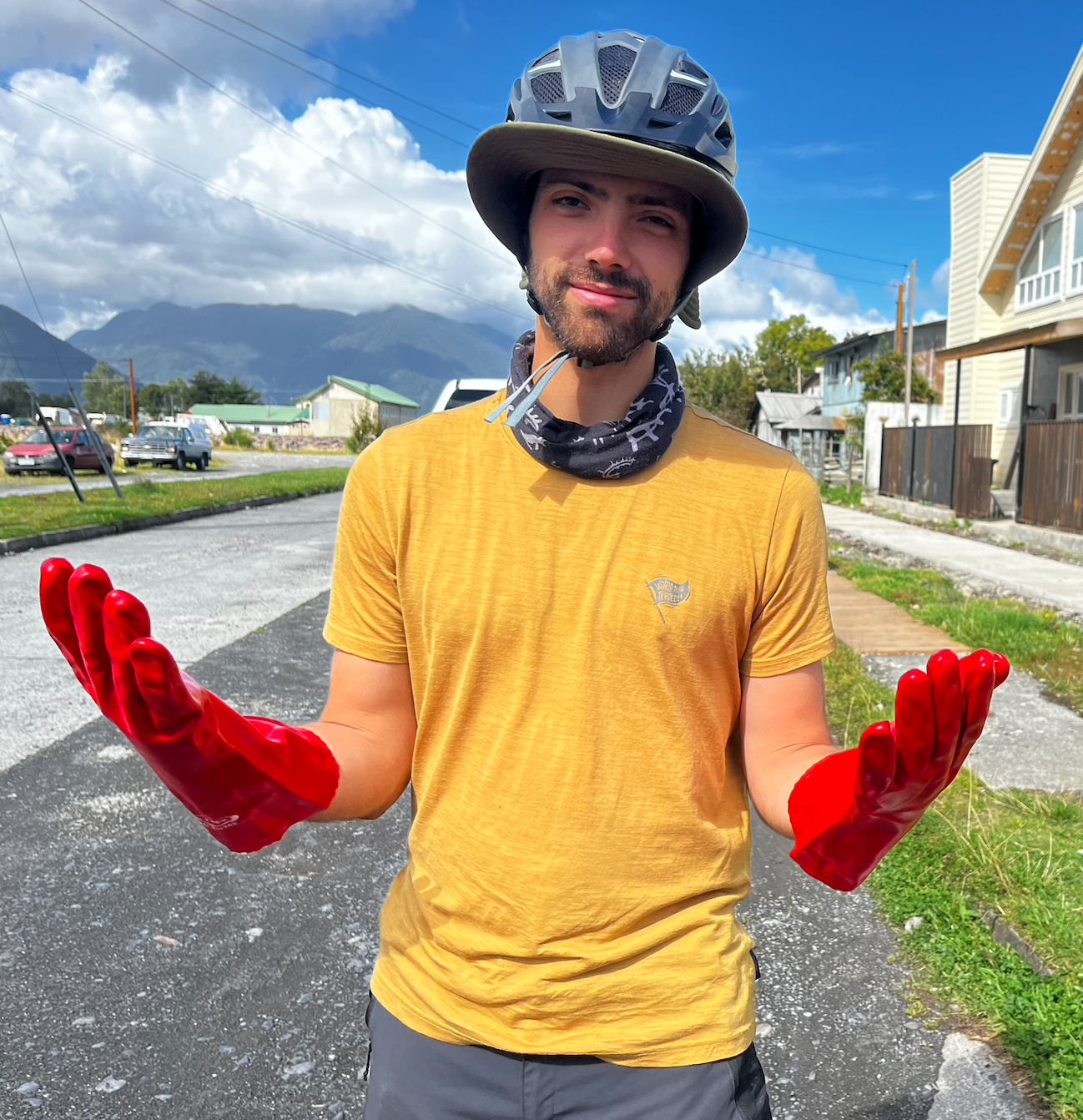
But coming down Queulat Pass on the Carretera Austral, my hands were completely frozen. That’s when Sophia and I pulled out our secret weapon: a pair of €2 red PVC kitchen gloves. Absolutely terrible for handling a bike, but they kept our fingers warm and toasty. Total lifesaver.

Honestly, I’d rather save my budget for other gear and just throw in a pair of kitchen gloves if the forecast looks rough.

🟡 Shoe Covers & Gaiters - Luxuries 

I’ve never used shoe covers, but I’m a big fan of gaiters for hiking and they’re great for biking too. In Patagonia, they kept my feet surprisingly warm, even when my shoes were soaked. Shoe covers offer a similar benefit. Neither is essential, but both are a nice luxury if you’ve got the space.

Ponchos - Not for me

A poncho can cover both you and some of your gear in a pinch, and they actually breathe surprisingly well. The downsides? They flap around like crazy and can be awkward in wind or on fast descents. I’ve only ever used them while backpacking, so I can’t speak to how well they work on a bike. But personally? Not for me.


Head - Never been a problem, hopefully will never be

I’ve never really experienced a cold head while riding. If it ever did get bad, I’d just throw up my rain jacket hood and be plenty warm. And if that somehow wasn’t enough? I’d toss on a hat and call it a day. Honestly, if my head’s still cold after that, I’ve probably got bigger problems.

Final Thoughts

When it comes to waterproofs and bikepacking, it’s all about balance. You don’t need to go overboard and waterproof yourself head-to-toe like a deep-sea fisherman, but having a few key pieces can make all the difference when the weather turns. Ultimately, it comes down to knowing yourself, your route, and the kind of conditions you’ll likely face. For wet but warm climates, breathability and quick-dry gear win. In cold and wet places, keeping warm becomes just as important as staying dry.

And if all else fails? Keep a pair of kitchen gloves in your panniers. You’ll thank me later.

Previous
Previous

Bikepacking the Carretera Austral: Full Route Breakdown

Next
Next

Bikepacking Patagonia on a Canyon Grizl AL: Grizl Review