Bikepacking the Carretera Austral: Full Route Breakdown
Introduction
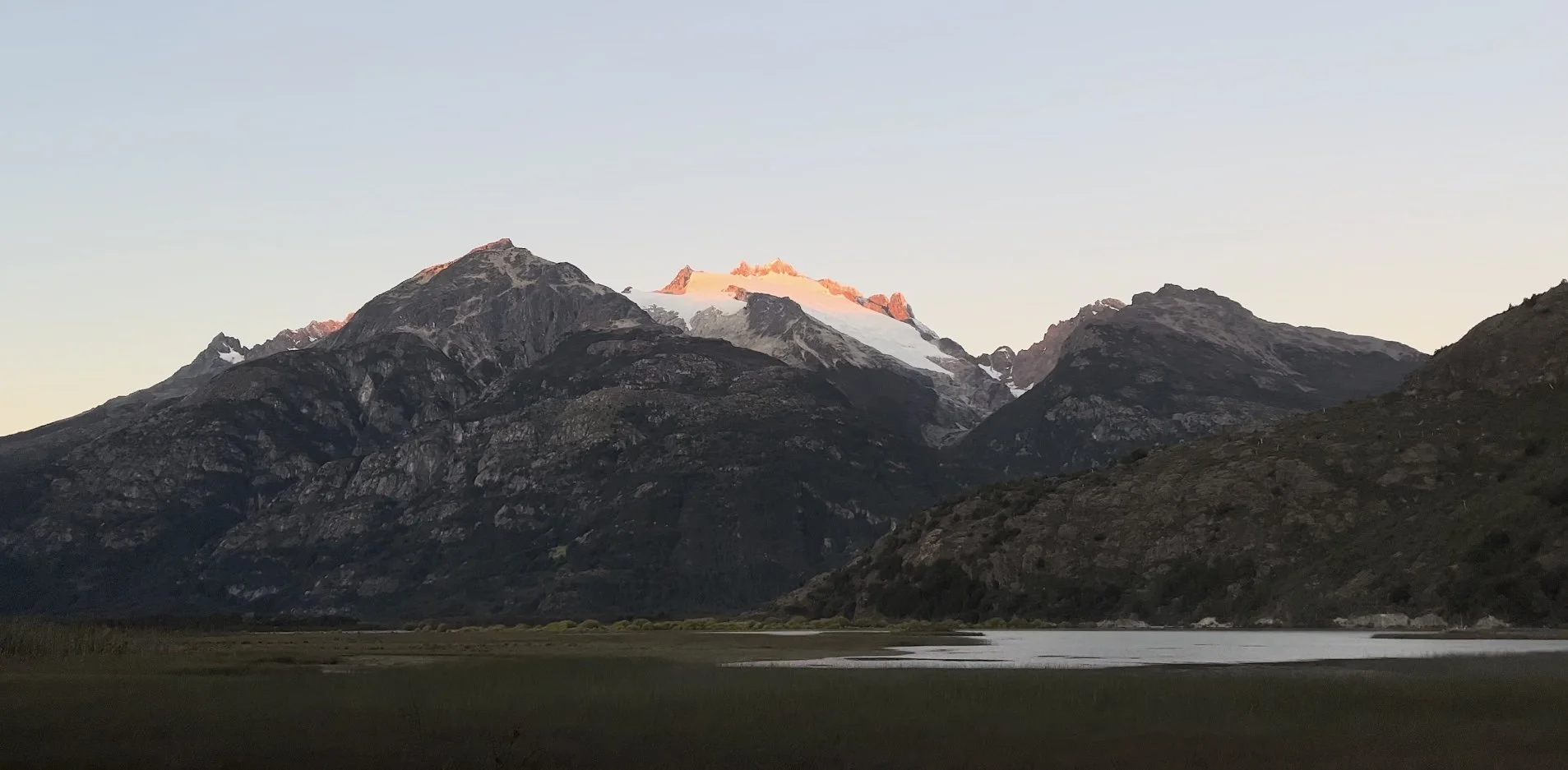
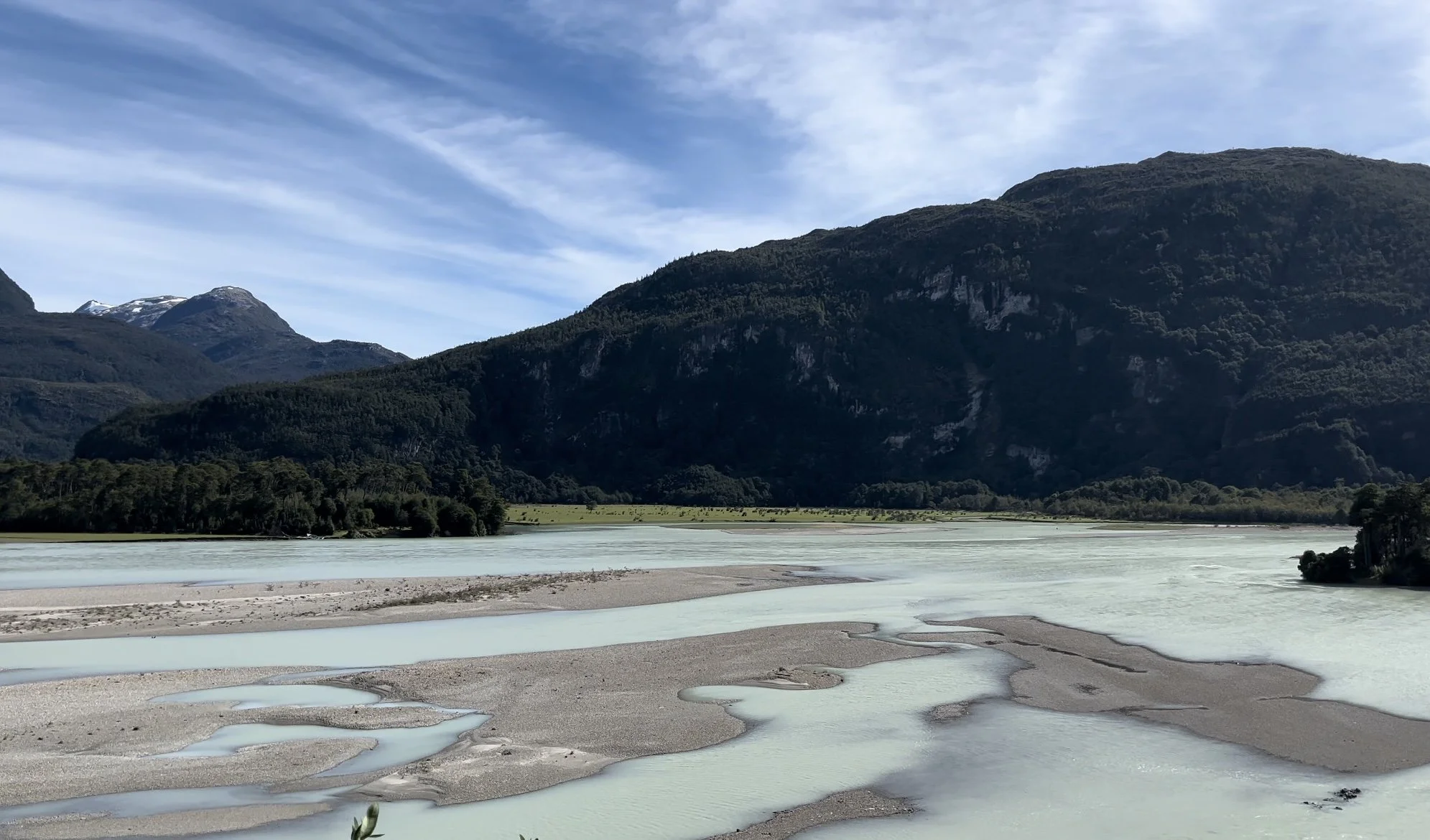
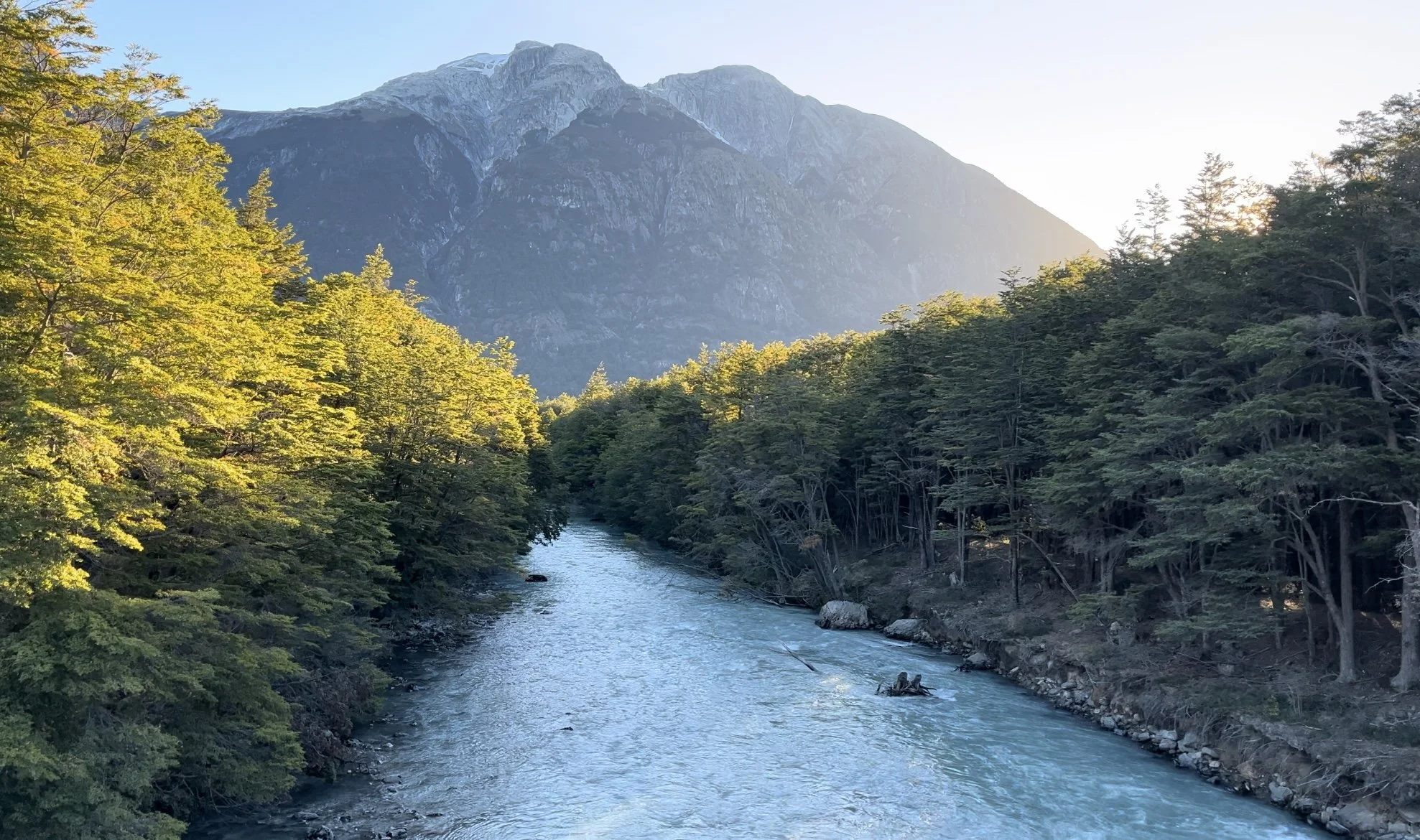
The Carretera Austral is one of the most remote and spectacular bikepacking routes on the planet. Stretching over 1,200 kilometers through southern Chile, this legendary road, also known as Ruta 7, winds through rural Patagonia, past hanging glaciers, turquoise rivers, lush temperate rainforests, and jagged, snow-capped peaks.
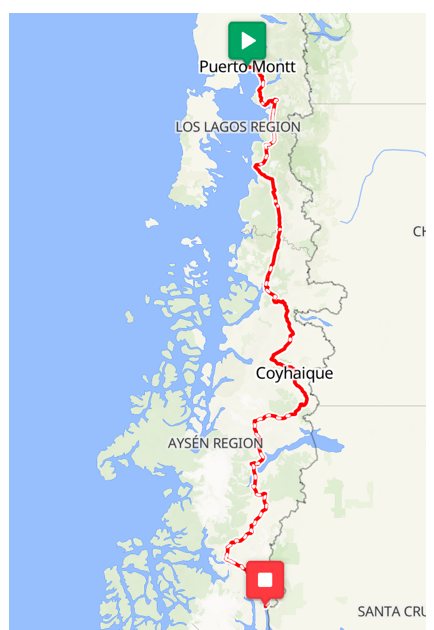
You won’t really need a GPX but here it is anyway.
Running from Puerto Montt to Villa O’Higgins, the route cuts through some of the most sparsely populated regions in the country. Despite its length, the Carretera Austral connects just around 100,000 people, with Coyhaique, the largest city along the route, home to roughly 60,000. Built during the military dictatorship era in 1976, the road was intended to connect isolated communities that previously had no land access to the rest of Chile. It was fully opened to traffic in 1988 and extended to Villa O’Higgins by 2000. The road is fully paved only up to Villa Cerro Castillo from there the last 460km are unpaved. Even today, the Carretera remains wild and unfinished in spirit, with ferry crossings, remote stretches, and an ambitious future plan to extend the road south through the Magallanes Region.
We spent three weeks riding the Carretera from Chaitén to Villa O’Higgins, carrying everything we needed and learning a lot along the way. In this post, I’ll break down the full route, section by section, with practical tips, highlights, and things I wish I’d known before setting off.
Chaitén to La Junta
We started cycling the Carretera Austral from Chaitén, arriving just after 1am after taking a ferry over from Chiloé. Groggy but excited, we pedaled through quiet streets under the moonlight and pitched our tent at a nearby campsite. After two weeks off the bike working on a small farm in Chiloé, we were itching to be back on the road, ready to take on the rugged beauty of Patagonia.
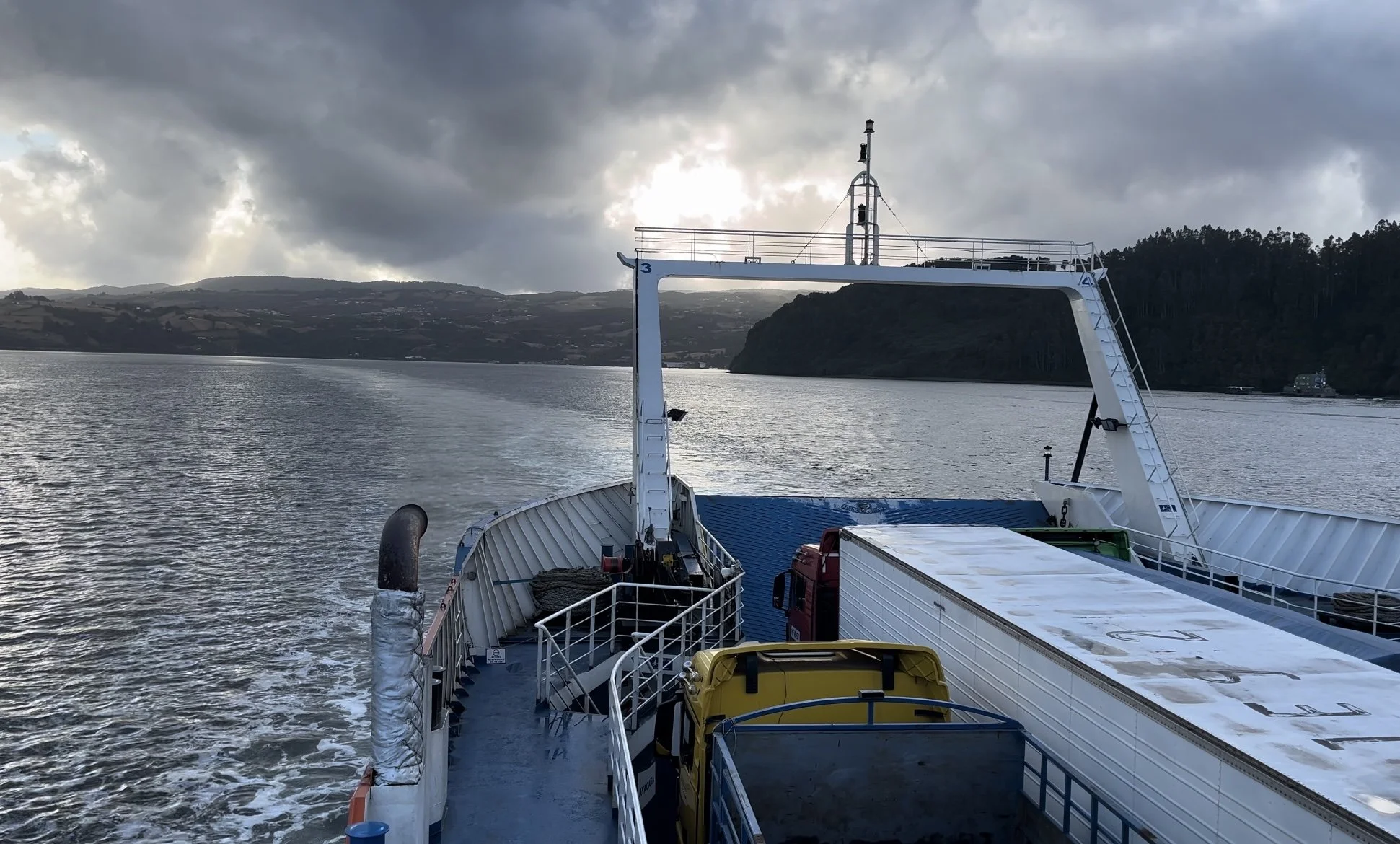
Leaving Chiloé on the ferry to get to Chaitén.
That first morning, the excitement was electric. The air was crisp, and the mountains surrounding Chaitén towered above anything we’d seen over the past month cycling through agricultural Chile. After weeks of open farmland and busy backroads, the dramatic landscape ahead felt wild and exciting.
It was now March, and the road out of Chaitén felt desolate, flat and quiet, gently rolling past lush temperate rainforest and wide, misty river valleys. We passed through Parque Pumalín, one of Chile’s most impressive conservation areas, and skirted the shores of Lago Yelcho, a beautiful lake known for its clear waters and world-class fishing. We stopped for a break and here was the first and hopefully last time I ever caught a power line.
It was a solid first day back in the saddle, steady terrain, clear skies, and that familiar bikepacking rhythm settling in. But by late afternoon, we were racing the weather. A storm was moving in fast, and heavy rain was forecast for the following days. We found shelter at a nearby campground called Yelcho Patagonia, part of a super deluxe fishing lodge tucked into the forest.
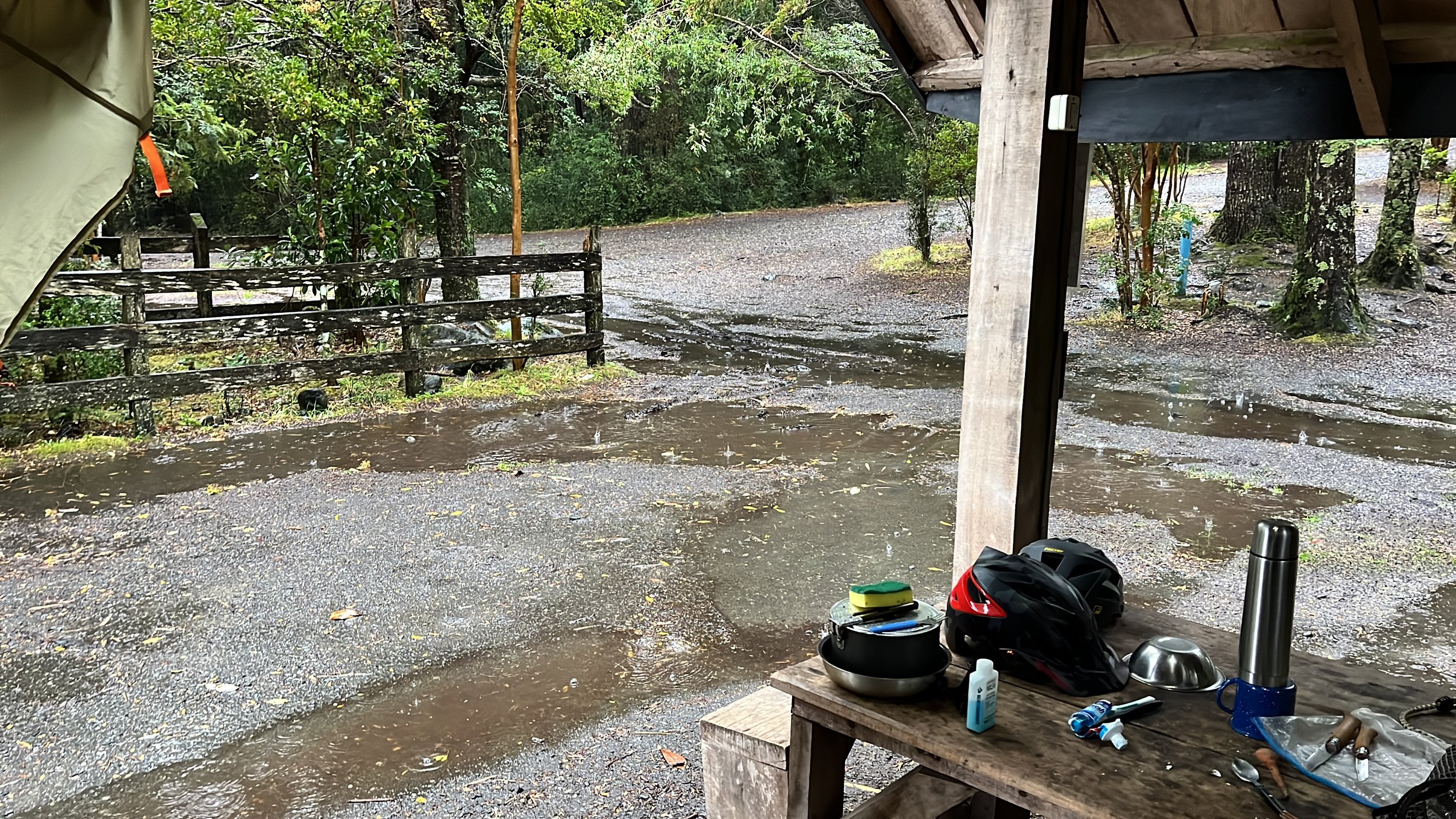
Our campsite the morning after the heavy rains.
At €30 for the night (for both of us), it was definitely a splurge by our usual standards, but totally worth it. We had a roof, a light, and a dry space to unpack and recover. The next morning, as rain poured steadily outside, the lodge staff generously let us wait out the storm in their cozy lobby, complete with a blazing fireplace, soft leather couches, and fly-fishing gear drying in the corners. It felt like luxury, and for a couple of soaked cyclists, it was a perfect start. I felt so guilty as we laid out our smelly soaked socks to dry in a corner of the upstairs lobby.

Image of the fancy lobby. Not my image.
The next day, I remember a pretty gnarly climb steep but short. But once we reached the top, it was smooth sailing. The rest of the ride was a long, effortless descent through forested valleys and open stretches of road. We covered 54 kilometers that day and ended up wild camping on a stunning, sandy white beach beside the glacial Río Oeste, stunning spot.
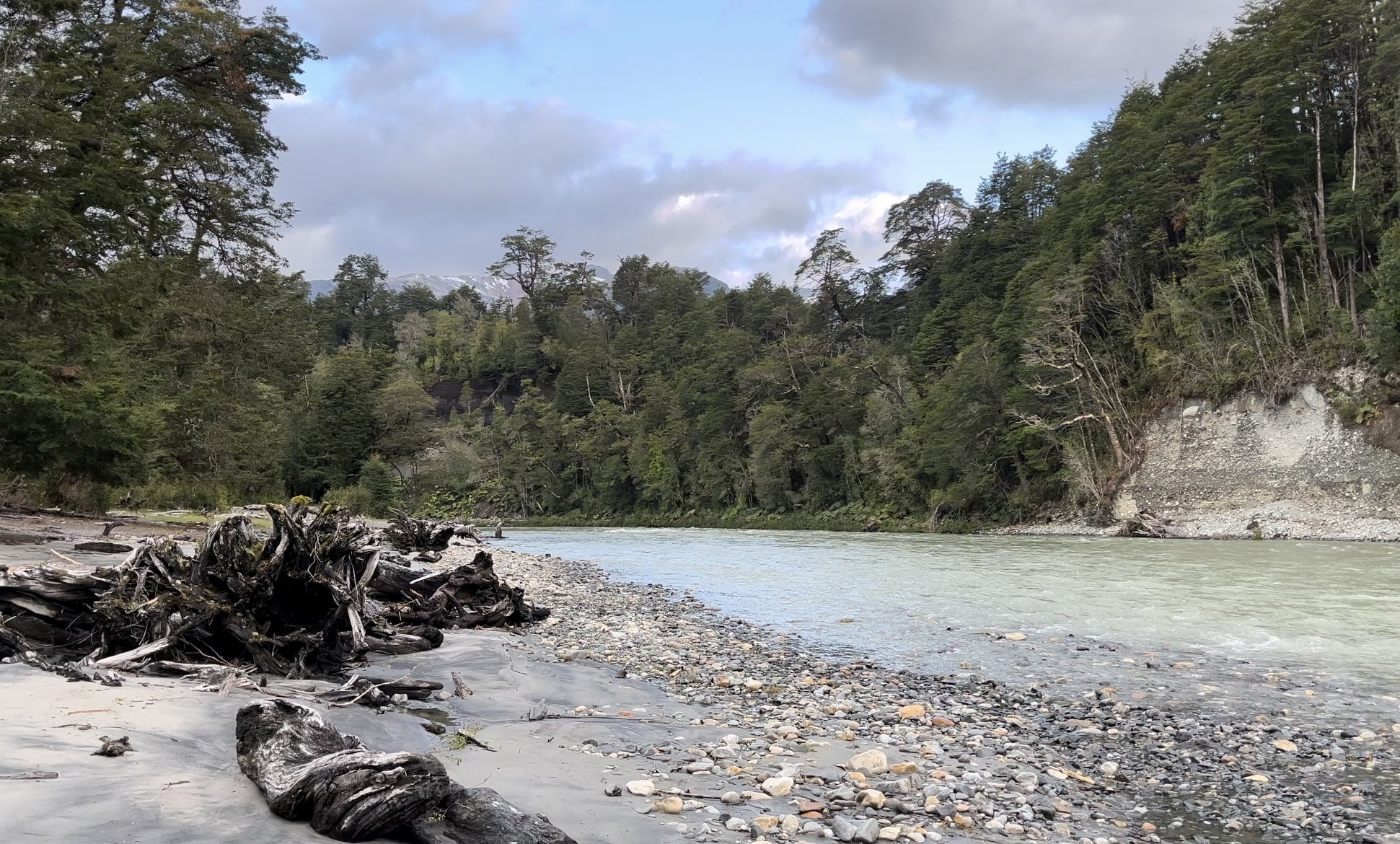
Sandy beach & glacial river campsite.
The third day was our push into La Junta. Using the Clime weather app we saw it was best to set off early to dodge the rain. And so we did. With about 10 kilometers to go and the rain starting up again, we crossed paths with a French couple riding at a pace almost identical to ours. The four us cycled into La Junta together exchanged contacts and found a place to stay for the night. This time a bed. We put up all our things to dry and met the French couple for dinner at a local restaurant.
Advice:
La Junta is the largest town between Chaitén and Coyhaique, so it’s a good spot to rest, resupply, and stock up on essentials. We used it as a chance to refill on treats (chocolate), fresh produce, and nori sheets for our bikepacking onigiri recipe.
La Junta to Queulat
After a solid night’s sleep in La Junta and a hot meal with our new friends, we hit the road again. The rain from the night before had eased up, and we crossed our fingers for a dry window to reach a campsite just before the Queulat climb.
The stretch from La Junta to Puyuhuapi is about 45 km, following winding rivers, lush temperate rainforest, and narrow sections swallowed by green. Even on a cloudy, foggy day, it was one of the most beautiful stretches we’d seen so far, the kind of road that keeps you pedaling just to see what’s around the next bend.
We stopped in Puyuhuapi for lunch before heading to the campsite at Leontina Fuentes, where we had arranged to meet up with our friends. Once there, we reunited with the French couple and met another pair of cyclists from San Francisco, Sophia’s hometown! It was crazy to learn that Sophia family only lives a couple of blocks away from them. What a small world hey.
The Queluat Climb
This stretch was hands-down one of the highlights of our trip, but not without its fair share of suffering. We tackled a brutal gravel switchback climb in the pouring rain. I was sweating like crazy inside my rain jacket, warm but soaked from the inside out.
But the descent? Freezing. We had to bust out the infamous red rubber gloves to survive the ride down. On arrival we were blessed with a stretch of good weather and beautiful views on villa amengual.
After a long day, we arrived at one of our favorite accommodations of the entire trip: Refugio Para Ciclistas. At just $7 per person for a bunk and a wood stove, it was a dream. We managed to dry everything out and spent a cozy evening with nine other bikepackers, most of them also heading south.
One of our favorite parts of the Carretera Austral was how it funneled travelers together, thanks to ferry schedules and the single road south, we kept passing the same people over and over. It made the whole experience feel like a moving community. Truly awesome.
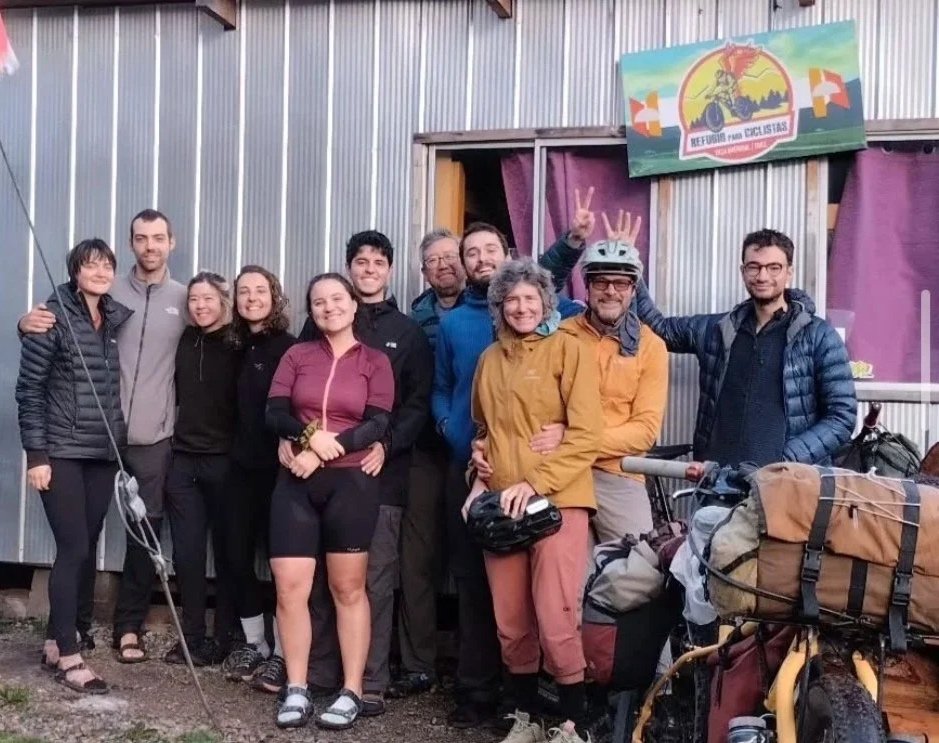
Refugio para ciclistas. 10/10 Must stay here.
Villa Amengual to Coyhaique
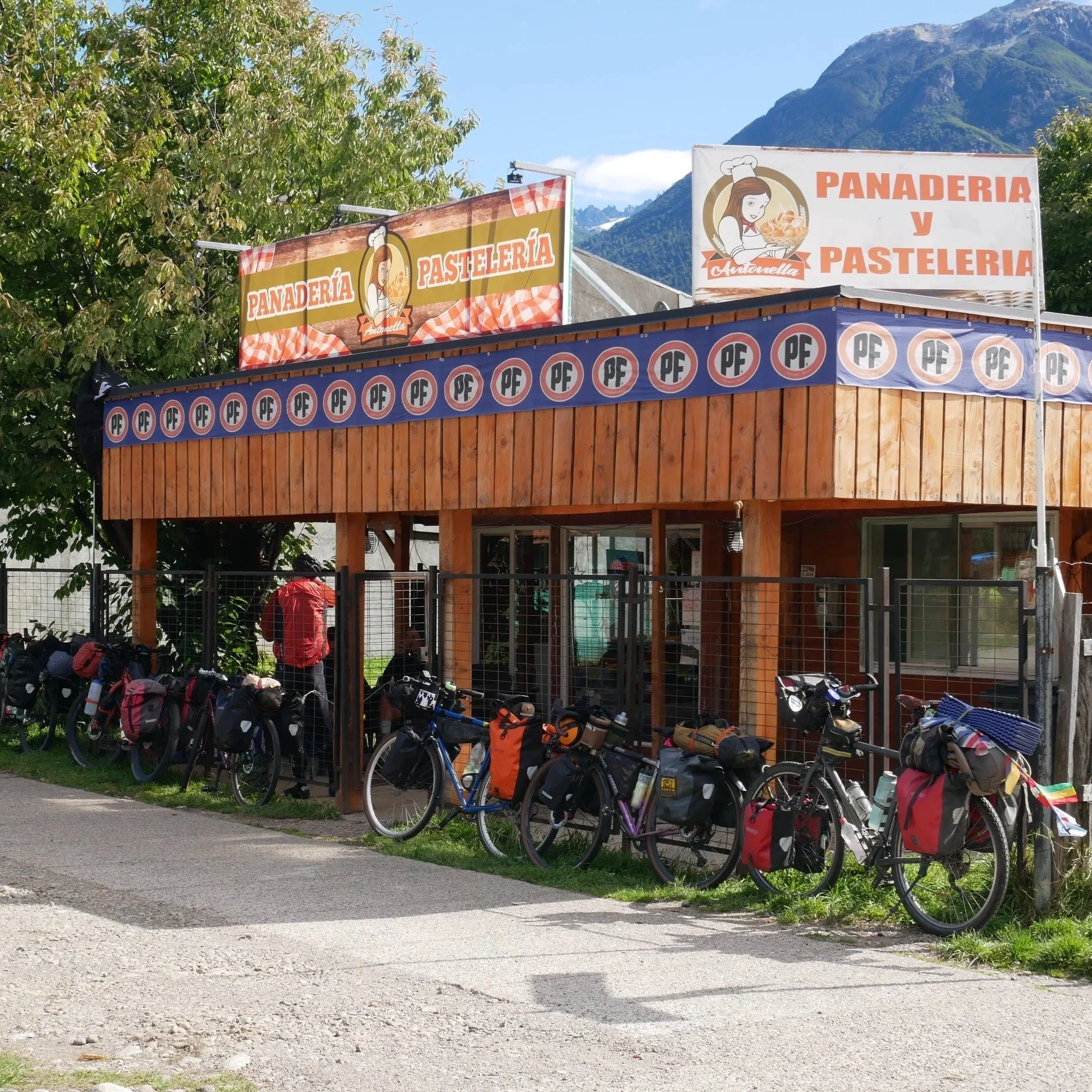
The ride from Villa Amengual to Coyhaique is just over 130 km, which we split into two solid days. We rode both days with our newly formed crew of seven, and after a long stretch of beautiful weather and empty roads, we finally rolled into Coyhaique. It was the biggest town we’d seen in a while, and arriving felt like a milestone. Even though Coyhaique was a relatively small town, it felt pretty big and overwhelming when having spent so long in such desolate places. We ended up staying for just under a week, resting, hiking, and soaking in the comforts of civilization. We became friends with the owner of the hostel and joined him on a hike to Cerro Mkay. And of course, we found our favourite empanadas of the whole trip at La Recta.
Coyhaique to Cochrane
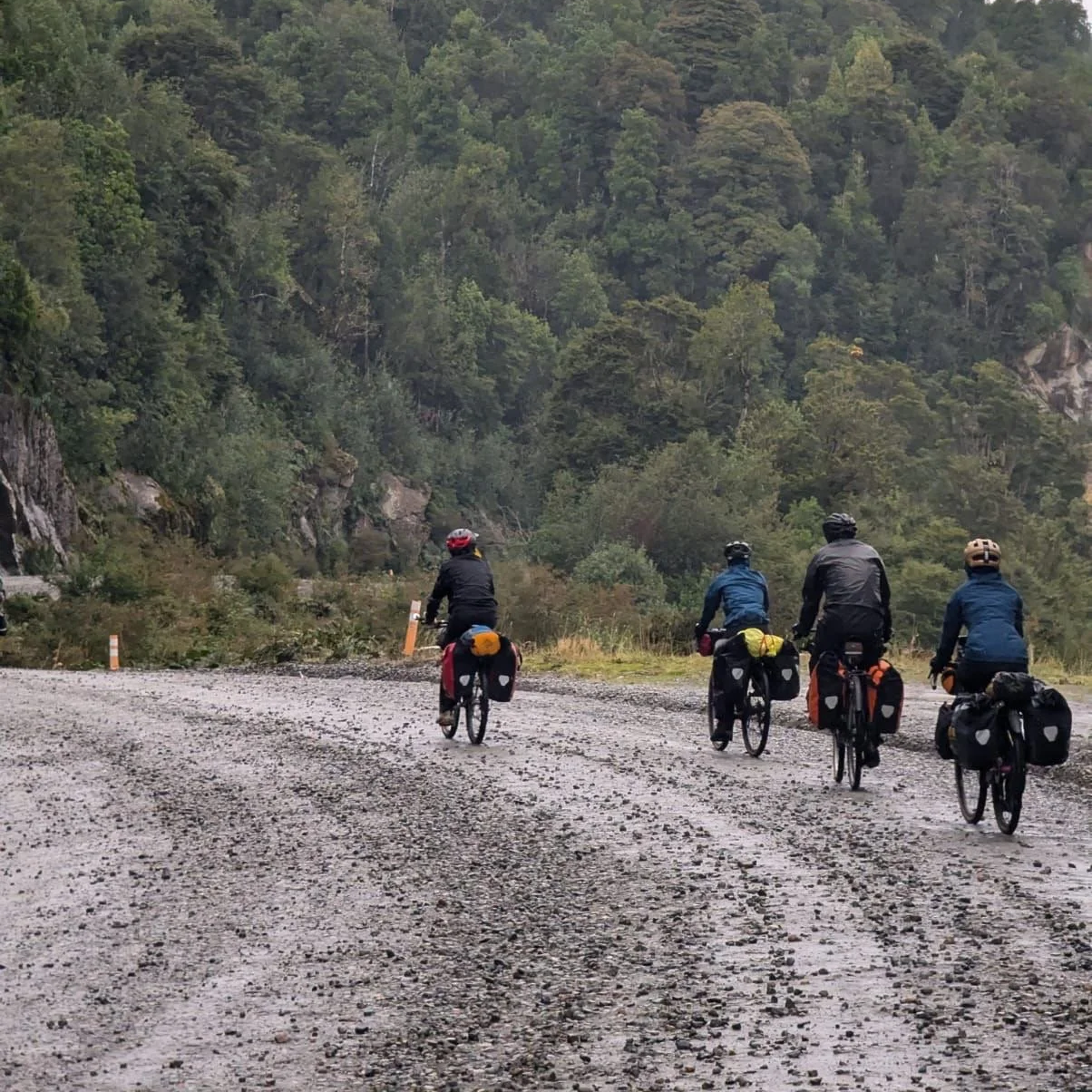
The stretch from Coyhaique to the end, has some of the wildest landscapes I’ve ever seen. The paved road ends at Cerro Castillo, and from there, it’s a whole different experience. The gravel, while not as bad as we anticipated, still slows the pace dramatically. With our heavy panniers, we didn’t want to risk breaking spokes on the washboard surface, so we took it slow. That slower pace let us soak in the raw beauty of Patagonia’s remote interior.
Then came Lago General Carrera. The bluest of blue lakes I’ve ever seen. At over 1,850 square kilometers, it’s the largest lake in Chile and the third largest in South America, shared across the border with Argentina, where it’s called Lago Buenos Aires. Along the way, we passed the famous marble caves near Puerto Río Tranquilo. They’re said to be stunning, but we decided to skip them this time. The price felt a little steep for our budget, and we were content to keep rolling, surrounded by so much free beauty.
Locals told us the road would be fully paved within two years, a thought that felt like a small loss. We were grateful to have ridden it while it was still gravel. There’s something about the dust, the crunch under your tires, and the quiet remoteness that makes it feel wilder.